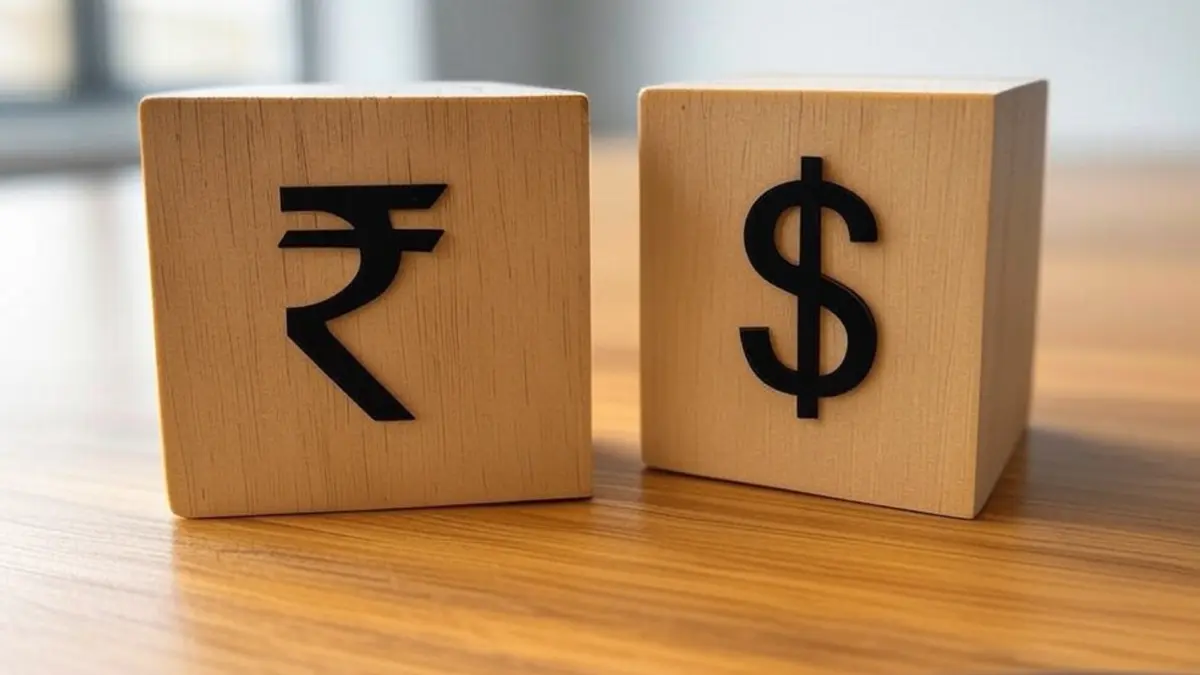
RBI’s $5 Billion Dollar-Rupee Swap: No Rollover, No Nonsense
Too much cash is never a good thing.
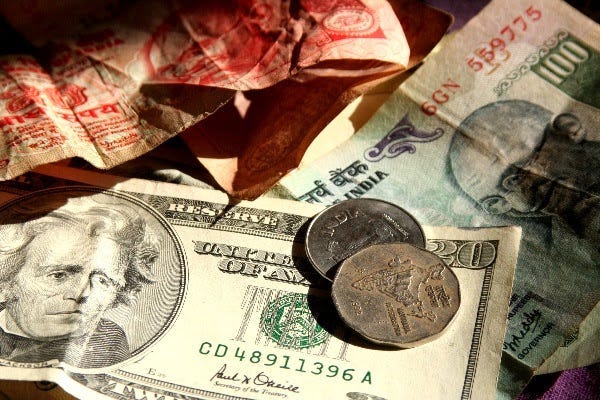
That’s exactly what the RBI is dealing with right now.
Surplus liquidity in the system is flooding markets, pushing down short-term interest rates, weakening the impact of policy decisions, and heating up the risk of inflation.
So, what did the RBI do?
It dropped a $5 billion dollar-rupee swap — and made one thing brutally clear:
No rollover.
---
What Is the RBI Dollar-Rupee Swap?
Let’s strip away the noise.
The RBI dollar-rupee swap is a move where:
- The RBI gives dollars to banks.
- The banks give rupees back to the RBI.
- The RBI locks away those rupees, tightening liquidity.
Simple. Clean. Tactical.
Now, here’s what makes this swap different:
There’s no rollover.
That means once this swap matures, it’s done. The money won’t be coming back. Banks can’t count on it being returned.
---
Why Do This Now?
Three reasons:
1. Surplus Liquidity
Liquidity has ballooned past ₹2.2 lakh crore. That much rupee floating around in the money markets pushes interbank rates below the repo rate — creating a breakdown in RBI’s control system.
2. Stabilise Money Markets
Short-term rates are the first to wobble when there’s excess cash. This move gives RBI a grip on the interest rate corridor without hiking repo.
3. Global Uncertainty
Markets are shaky.
US bond yields are up.
Dollar is strong.
Capital flows are getting unpredictable.
By pulling out rupees through the $5 billion swap, the RBI is anchoring stability without shouting about it.
---
So... Why No Rollover?
In the past, swaps were used with rollovers. That kept liquidity moving and markets calm.
This time, RBI’s saying:
“You’re on your own. Adjust.”
It’s a message to banks, traders, and speculators:
“Don't bet on easy money. Manage your balance sheets.”
This also means the market will feel the full effect of the liquidity absorption — pushing up call money rates, adjusting forward premiums, and keeping banks tight on lending.
---
Who Does This Hit?
1. Banks
- Margins get squeezed
- Overnight borrowing costs go up
- Treasuries reprice their positions
2. Corporates
- Short-term borrowing could become more expensive
- Hedging in dollar-rupee pairs tightens
3. Currency Traders
- No rollover means volatility
- Less carry trade opportunity
- Rupee liquidity goes dry
---
What This Signals About RBI’s Monetary Policy
RBI is telling everyone loud and clear — they don’t need a repo hike to tighten the market.
This isn’t a rate hike.
This is a liquidity tool.
But it does the same job.
That’s what makes this move genius. You avoid headlines, but you hit your inflation control goals anyway.
India’s economy is already shifting — just look at moves like AI regulation in Indonesia and Swadeshi growth strategy. Capital will flow in and out faster than ever.
RBI’s just getting ahead of the storm.
---
What Happens to the Rupee?
Usually, draining liquidity helps the rupee stay strong.
Less rupees = more value per unit.
Also, with this swap, there’s less scope for wild speculation. Traders know the RBI is watching.
This could even help with stability during tough geopolitical plays like India’s Airbus C295 defence boost.
---
Real Impact on Financial Stability
Let’s keep it practical.
This swap:
- Soaks up ₹41,000 crore from the system
- Pushes up interbank rates
- Could move bond yields
- Brings currency volatility down
- Holds down import-led inflation
- Keeps the RBI from hiking repo rates unnecessarily
Short-term pain? Maybe.
Long-term signal? 100%.
---
Global Angle: It’s Not Just India Playing Defence
Other emerging markets are doing the same. But India’s move is clean and precise.
In the middle of global AI hype (see: ChatGPT-5’s model chaos), interest rate moves, and digital panic (AI policy panic), RBI is showing steady hands.
And you don’t need to change monetary policy every time.
Sometimes, you just use swaps.
---
How It’s Different From 2019
Back in 2019, RBI did a similar $5 billion swap. But they rolled it over.
That kept markets comfy.
This time, they’re pulling the rug. That means:
- Call money rates will likely rise by 20–30 bps
- Forex forward premiums have already dropped by 30 bps
- Capital flows may pause briefly as traders reposition
- MCLR rates might tick upward — so yes, your loan EMIs could go up
---
Quick Stats Snapshot
- 📊 RBI absorbed ₹41,000 crore via this one swap
- 💰 FX reserves sit at around $646 billion
- 📉 Forward premiums dropped 30 bps post-swap
- 📈 Overnight rates expected to rise to 6.9–7%
- 🔒 No indication of further rollovers or follow-up swaps
- 🧠 RBI maintained repo at 6.5% for now
- 🧮 Core inflation at 4.8%, still in RBI’s target
- 🏦 Liquidity injection via past swaps had average duration of 3–6 months
- 🔁 Zero rollover this time = full impact felt in short term
---
So... What’s the Real Game Plan?
This is a smart move.
The RBI is taking care of liquidity management without shocking markets. They’re:
- Avoiding repo hikes
- Absorbing surplus cash
- Signalling discipline
- Stabilising the rupee
- Preventing overheating
And it’s all surgical.
Meanwhile, AI breakthroughs and enterprise AI rivalry are making markets move at lightning speed.
The RBI can’t afford to be reactive. This move puts them ahead of the curve.
---
FAQs
Q: Will this raise interest rates directly?
No. But it will raise short-term borrowing costs — which is what RBI wants.
Q: Will this affect inflation?
Yes. Less rupee liquidity helps cap inflationary pressures.
Q: Is RBI going to do another swap?
Nothing announced yet. But this swap sets the tone — if liquidity keeps growing, more moves could come.
Q: What about the dollar-rupee rate?
Expect it to hold stable or strengthen slightly. Less rupee supply = stronger INR.
Q: Will there be a bond market impact?
Yes. Short-term yields may rise. Long-term yields might flatten if inflation is controlled.
---
Final Word
RBI’s $5 billion swap with no rollover is not a random move.
It’s calculated.
It’s controlled.
And it works.
If you’re in finance, FX, or lending — pay attention.
This is the RBI flexing with precision, not panic.
It’s not about headlines.
It’s about control.