

Philippines President Marcos Jr’s India Visit: The Start of a Powerful Indo-Philippine Alliance
What’s the real reason behind Marcos Jr showing up in New Delhi?
Not just diplomacy. Not just photos.
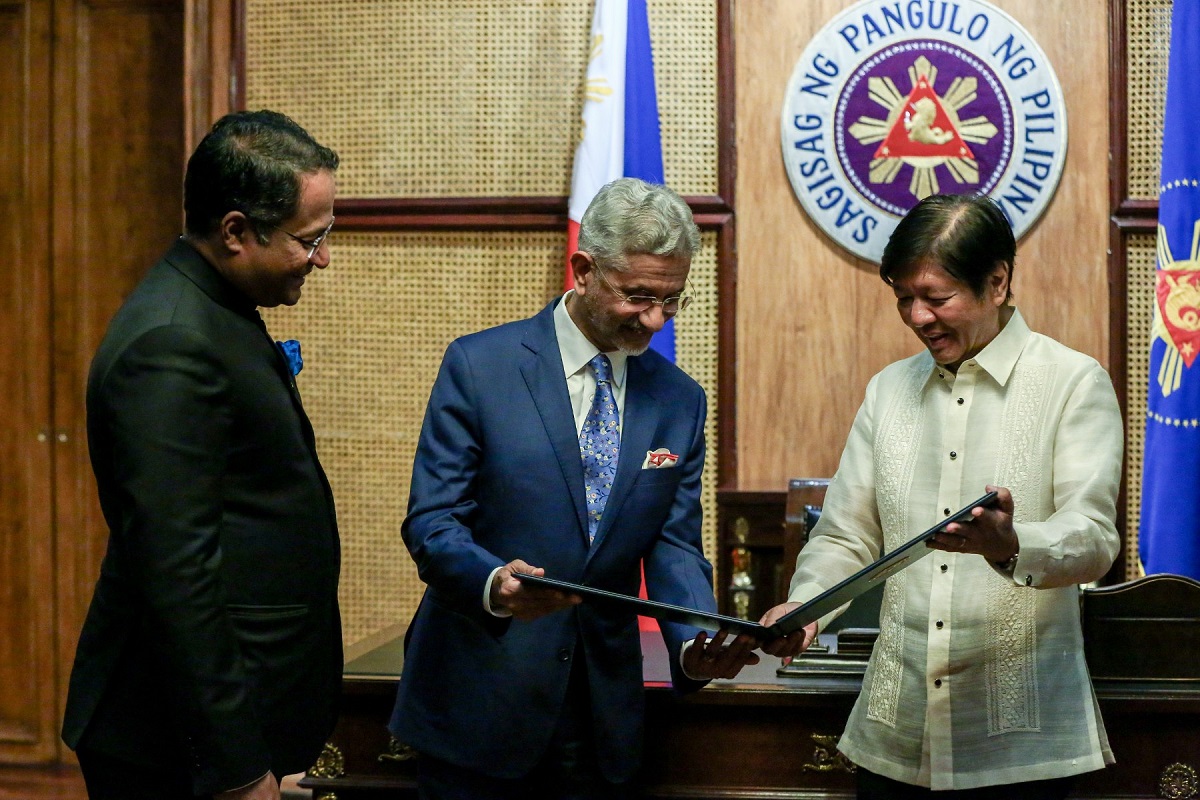
This was about power, defence, and money.
India and the Philippines are now partners in a world that’s shifting fast. And Marcos Jr didn’t travel all that way for handshakes. He came to build something.
Why Marcos Jr’s India Trip Actually Matters
The Philippines and India just hit 75 years of diplomatic ties.
But let’s be honest—most people didn’t even notice until now.
This visit flipped the switch.
It marked a shift from passive friendship to active strategy.
Here’s why:
- India has missiles. The Philippines has tension with China.
- India wants partners in ASEAN. The Philippines wants reliable allies.
- Both need supply chains, trade growth, and tech collabs outside the usual Western loop.
Marcos Jr’s visit wasn’t about starting something new — it was about tightening screws that already exist.
Defence First: The BrahMos Deal Was Just the Beginning
Back in 2022, the Philippines made headlines as the first buyer of India’s BrahMos missile — $375 million gone in a flash, and totally worth it.
Marcos Jr came to push that deal forward.
Here’s what’s on the table now:
- BrahMos upgrades and maybe even licence production in the Philippines
- Joint naval exercises in the Indo-Pacific
- Defence manufacturing zones supported by Indian tech
- Sharing of intelligence and satellite access
The Philippines needs deterrence. India wants defence exports.
It’s a win-win.
📌 Bonus: Check out India receives Airbus C295 to see how serious India is about boosting regional defence muscle.
India-Philippines Trade Is Still Tiny — But Not for Long
Right now, bilateral trade sits around $3.4 billion.
That’s pocket change when you compare it to what both countries want.
Marcos Jr came with clear trade goals:
- Double trade volume to $6 billion by next year
- Bring in Indian pharmaceuticals at scale
- Get Indian investment in infra, manufacturing, and logistics
- Push UPI-style digital payments between both nations
India is already putting $800 million into Filipino projects.
Now it wants:
- Entry into the Philippines’ BPO and tech sectors
- A slice of its growing healthcare and construction demand
- Access to ASEAN markets through Manila
📌 Related: Modi’s Swadeshi Growth shows how India’s local economy fuels its international power.
Cultural + Education Ties: Soft Moves, Real Impact
This wasn’t just a weapons-and-wealth visit.
The two countries are also building long-term people links:
- Filipino students heading to India
- Indian students already dominating Philippine med schools (over 10,000 enrolled)
- New language programs and skill-sharing deals
- Possible media collabs in film, entertainment, and digital content
📌 For more on how countries push influence with ideas, read AI Regulation in Indonesia 2025 — different topic, same strategy.
China's Pressure Is Fueling These Moves
Neither India nor the Philippines say it out loud — but everyone knows who they’re watching:
China.
The Philippines is constantly harassed in the South China Sea.
India is sparring with Chinese troops up north.
And both are building counterweights.
This visit proves it:
- India is becoming the go-to defence partner in Asia
- The Philippines is backing a multi-aligned strategy instead of relying only on the US
- There’s no patience left for passive policies
📌 This hits even harder when you look at the AI scene: Meta AI Self-Improvement: Urgent Warning — different space, same logic: build or be left behind.
Digital, Defence, Diplomacy: A Triple Threat Strategy
What’s smart here is the layered plan.
It’s not just:
- Buy missiles
- Sign trade pacts
- Pose for photos
It’s:
- Scale defence via joint production
- Grow trade via MoUs and tariff tweaks
- Bond people via students, education, tourism
This isn’t a one-off trip.
This is systematic power alignment.
Key Stats That Prove It’s Working
- $375 million: BrahMos missile deal already signed
- $800 million: Indian FDI in the Philippines
- $3.4 billion: 2023 bilateral trade
- $6 billion: 2025 trade goal
- 10,000+ Indian students studying in the Philippines
- 20,000+ Filipino seafarers on Indian-owned ships
- 5 major MoUs signed during this visit (covering defence, infra, pharma, fintech)
Case Studies That Show This Isn’t Fluff
🔹 BrahMos Missile Deal
The first-ever foreign buyer of India’s top weapon system was the Philippines. That move shocked China — and it set the tone for this visit.
🔹 UPI + BSP Digital Collaboration
NPCI (India) and the Bangko Sentral ng Pilipinas are exploring interoperable digital payments, to make remittances cheaper and faster.
🔹 India-Philippines Business Conclave
Held during the state visit — major Indian infrastructure, health, and fintech companies locked in investment pledges.
📌 Missed this AI shift? Read ChatGPT 5 Launch for another disruptive leap forward.
What’s Next for Indo-Philippine Relations?
Now that the visit is over, here’s what to watch:
- More BrahMos upgrades or new missile deals
- Filipino companies setting up shop in India
- India expanding its presence across Manila, Cebu, Davao
- Students moving both ways — and joint university ventures
- Filipino exports growing with help from Indian logistics and fintech
This was never just about paper agreements.
This is about building real leverage in Asia.

Marcos Jr’s Big Win? Securing Options Beyond the US
Here’s the big picture:
- The Philippines doesn’t want to only rely on the US
- India doesn’t want to depend on Western markets
- Both want regional power, regional defence, regional trade
That’s what Marcos Jr achieved.
He didn’t just sign a deal.
He set up a new axis of cooperation across the Indo-Pacific.
📌 This power dynamic feels a lot like the new AI race: Claude vs OpenAI – The Enterprise AI Upset — competition is the new currency.
Final Word: The India-Philippines Alliance Just Got Real
This trip may seem like just another diplomatic round.
But it’s not.
Marcos Jr landed in India with a mission, and he delivered:
- More defence deals
- More trade routes
- More education ties
- More strategic backup
The result?
The Indo-Philippine alliance is no longer just ceremonial.
It’s tactical.
It’s economic.
It’s personal.
And it’s only just getting started.