

India Petrochemical Consolidation: Why India Just Took the Driver’s Seat — BCG Report Breakdown
Global giants are pulling back. India’s doubling down.
That’s the whole game. And if you blink, you’ll miss the shift.
The India petrochemical consolidation isn’t a side note — it’s the main event. Backed by the latest BCG report, the message is clear: India’s now the centre of gravity in global petrochemicals.
Why?
Because while the world built too much, India built smart — around domestic demand, strategic investments, and timing that couldn’t be better.
Let’s break this all down — no fluff, just raw truth.
---
Global Overcapacity Is India’s Golden Ticket
Petrochemical producers in China, the US, and the Middle East bet big on post-pandemic growth. They lost that bet.
Right now:
- Global overcapacity is at 32%
- Chinese plants are running at 65% utilisation
- Western producers are either slashing output or selling off assets
Meanwhile in India?
Demand is booming — across:
- Plastics
- Construction
- FMCG
- Automotive
- Infrastructure
And that’s before you even factor in India's move toward Atmanirbhar Bharat (self-reliance).
It’s the perfect storm — and India’s capitalising on it.
---
What the BCG Report Actually Said (Without the Corporate Jargon)
Let’s kill the buzzwords. Here’s the real translation of BCG’s findings:
> “India is emerging as the hub for petrochemical consolidation due to strategic investment, growing domestic demand, and global oversupply.”
That’s not a maybe. That’s a market shift.
Here’s what’s fueling it:
1. Domestic Demand is Soaring
India’s urbanisation rate is exploding. Middle class growth = more packaging, appliances, textiles, and housing. That means more polymers, olefins, and downstream petrochemical products — year after year.
2. Strategic Investment is Pouring In
Reliance, IOCL, HPCL, ONGC — they’re not waiting around. They’re pouring billions into building, expanding, and upgrading capacity.
3. Global Players Are Desperate to Sell
Margins are getting crushed elsewhere. And India’s the only buyer with demand + capital + low-cost infrastructure.
It’s consolidation, but on India’s terms.
---
Let’s Talk About the Players Running This Game
🔹 Reliance Industries
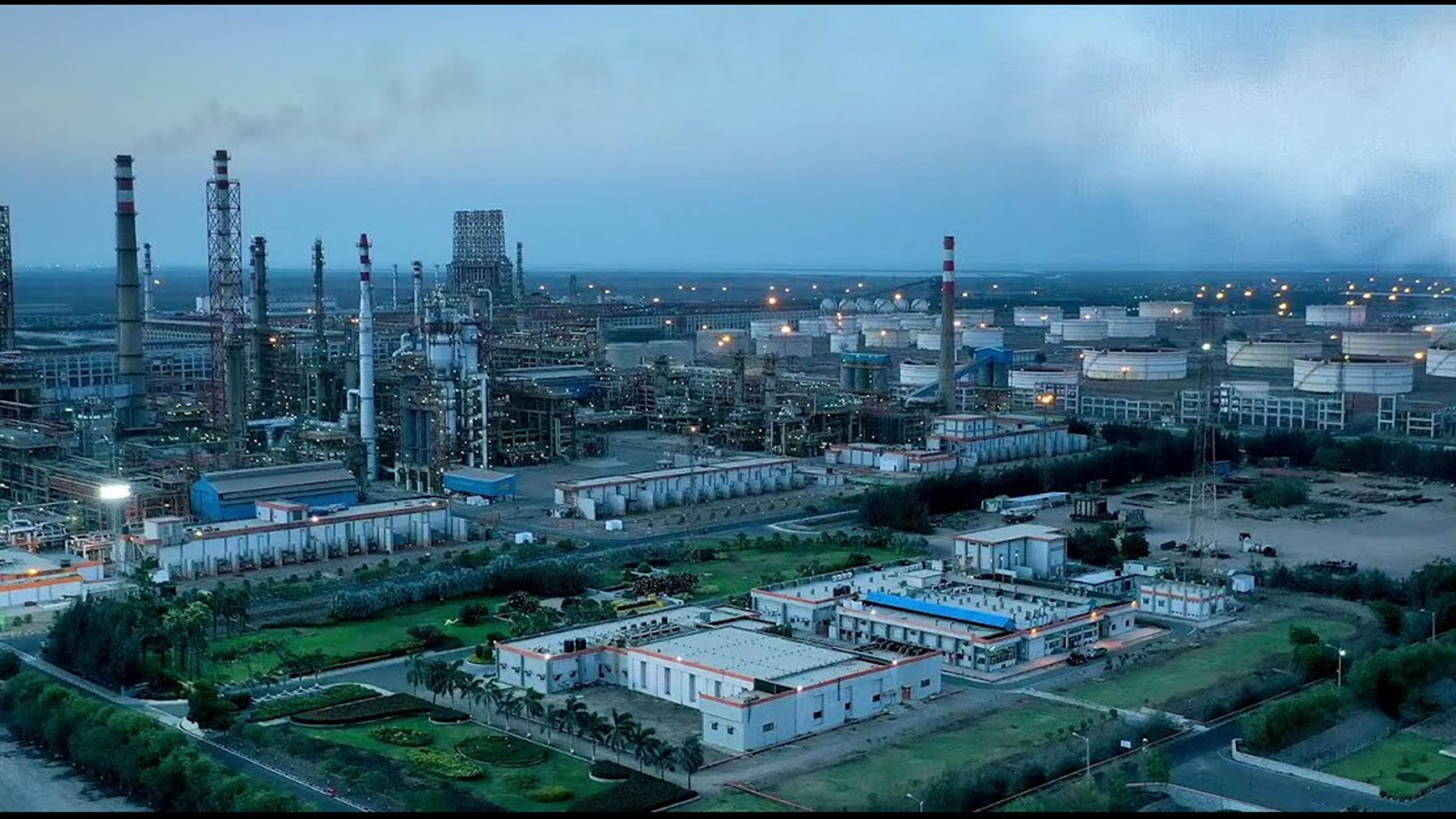
They’re turning Jamnagar into a global beast:
- 100% utilisation in 2024
- Integrating specialty chemicals
- Already replacing imports and lining up export markets
They’re also investing heavily in AI-driven chemical process optimisation, similar to what we saw in the Meta AI Self-Improvement discussions — making even their chemical units smarter.
🔹 HPCL-Rajasthan Refinery
This $4.3B project isn’t just adding scale. It’s turning India’s north into a polymers hub. Up to 2.4 million tonnes annual output capacity.
Reminds us of the way India Received the Airbus C295 — strategic manufacturing placement to build local muscle.
🔹 ONGC’s OPaL Project
Massive ethylene and propylene expansion. This isn’t a short-term play. They’re building for 2030 exports, and creating long-term margin stability.
It aligns with India’s broader ambition — seen in tech and policy too, like the AI Action Plan.
---
What Consolidation Actually Looks Like
Here’s what’s really happening:
- Local production replaces imports — cost drops, supply stabilises
- Foreign players cut losses, Indian companies scoop up tech + assets
- Vertical integration kicks in — raw material to final product, all under one roof
- Exports start scaling — especially to Africa and Southeast Asia
India’s not just meeting its own demand. It’s prepping to sell to others who didn’t build in time.
---
Global Players Are Quietly Fading Out
This is the part no one says out loud:
- BASF? Freezing expansion plans.
- Shell? Exiting unprofitable chemical lines.
- SABIC? Looking at JVs in India.
Why? Because they can’t match:
- India’s labour cost advantage
- Demand curve
- Government support
- Logistics access to major growth markets
You saw something similar in Claude vs OpenAI. The legacy players thought they had it locked — until they didn’t.
---
The Numbers Don’t Lie
- India’s demand growing 9–11% yearly through 2030 (BCG)
- Global overcapacity? 32% and rising (Reuters)
- Polymer imports to India? Down 21% YoY (2024, Govt data)
- Reliance utilisation: 100%
- HPCL polymer output: +2.4 million tonnes/year
- $60B in future investments planned over 5 years
- Exports projected to triple by 2028
---
Internal Links: Why It All Fits the Bigger Picture
India isn’t just rising in petrochemicals.
Zoom out, and you’ll see the pattern in:
- AI Data Poisoning and Infrastructure Control
- Hierarchical Reasoning Models in Tech
- ChatGPT-5 Launch — where India’s devs are playing a bigger global role
- Meta AI's Self-Learning Systems — showing how Indian research labs are now running cutting-edge experiments
The same self-reliance logic? It's behind the Modi Swadeshi model — Modi’s Swadeshi Growth is just petrochemicals in action.
---
If You’re in the Game, This Is What To Watch
- JV deals with foreign majors (Shell, BASF, SABIC)
- Movement of capacity from China to India
- IPOs or spin-offs from big players like ONGC or Reliance
- Policy shifts (tariff reduction, environmental norms)
Just like AI Policy Panic — the policy layer here is key.
---
Quick FAQs
Q: Is India really export-ready for petrochemicals? Yes. Infrastructure + domestic surplus = scaling up exports in 2025–2028.
Q: Is this driven by private or public sector? Both. Government policies + private capital = aligned incentives.
Q: Will prices crash because of global overcapacity? Not for India. Domestic demand absorbs output, and exports are planned, not dumped.
---
Final Thought
India petrochemical consolidation is not a side trend. It’s a market power move.
While others are cutting back, India is building. While global demand flatlines, India’s surging. And while foreign players retreat, Indian giants are expanding — fast.
This is the kind of structural shift BCG rarely highlights unless it's undeniable.
And now, it’s here.

---